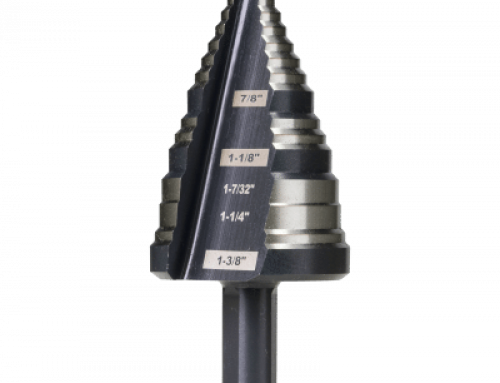
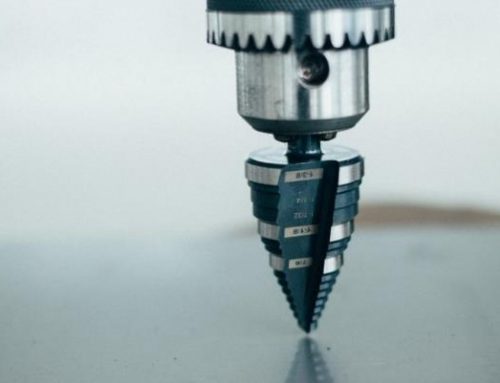
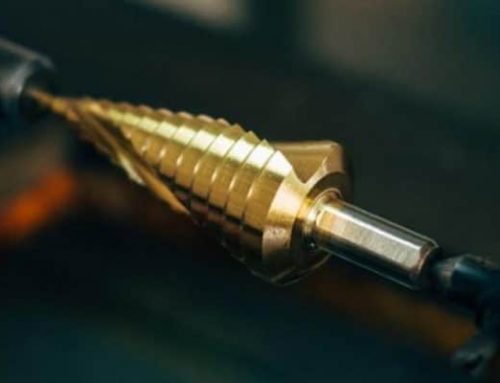
This article will provide everything you need to know about countersink drill bits and introduce their types, and their applications in daily life.
In the world of DIY, countersink bits have their unique status thanks to the tons of purposes they serve. If you haven’t used the countersink before and want to learn its basics before starting to work with it, then you’re on the right platform.
What is a Countersink Drill Bit
Countersink bits are designed to make an area into a workpiece that matches the countersunk shape of the screw head.
Unlike normal drill bits, countersink drill bits serve two purposes. First, they drill a pilot hole in the material, creating a space for the screw head so it closes with the material’s surface. A pilot hole is necessary to prevent the splitting or cracking of the workpiece.
Secondly and more importantly, these bits drill a “V” or countersink in the face of a workpiece. This V shape makes the screw with a countersunk head to match the face of the workpiece.

These properties make countersink bits suitable for chamfering of various soft materials such as wood board, aluminum board, plywood, plastic, PVC board, etc. Just like normal bits, countersink bits also come in a variety of shapes and sizes depending on the nature of the project and the screw you’re using.
A part of a job is to make the screw not visible from the outside. But if it’s going to be visible, it should be seated smooth and flush with the surrounding surface to give a clean and professional look to the furniture or workpiece.
Why People Use Countersink Bit
Here are the most common uses of countersink drill bits:

Types of Countersink Bits
The two most common types of countersink bits include:
Tips for Drilling Countersink Bits
Below are some of the tips you should bear in mind while using countersink bits to drill holes.
- Not much practice is required to start using countersink bits. But before start working, try drilling countersink holes on a few test pieces to acquaint yourself with the procedure.
- Go slow as drilling fast can step-forward past the required depth of the holes and can also cause “chatter.” Tearing of hole is referred to as chatter. Drilling fast is one of the main causes of making “too large countersinks” especially in softwoods.
- Try to drill the hole deep enough to allow the screwdriver to flush with the surrounding surface. If you don’t drill the countersink deep enough, the screw will remain proud of the surface which doesn’t give a professional finishing.
- With time countersink drill bits get dull and inefficient like any other bit. Keep a close eye on the cutting edges of the bits and sharpen them regularly and if needed, replace them.
- If you are interested in our Spogking countersink, please visit this page for more information of countersink or countersink bits.