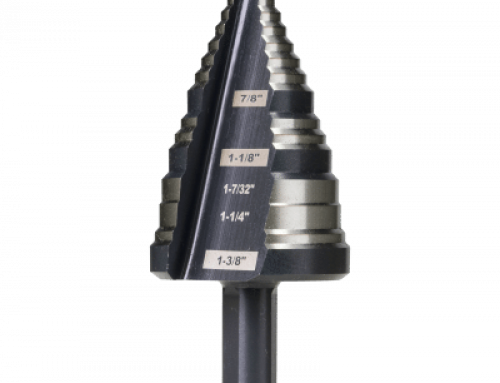
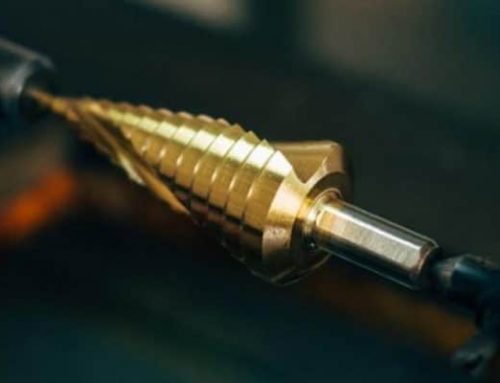
If you’re new to the DIY world, let me introduce step drill to you. It is one of the most versatile tools that serve a multitude of purposes. I am talking about the Step drill bit – a complementary tool for completing tons of DIY tasks. While most of you already have some basic idea about this item – yes, you guess it right. It has something to do with making holes.
What if I tell you it does a lot more than just making holes in various materials! Feeling excited, right? This article aims to talk you through the most common applications of step drill bits.
What is Step Drill Bit
A step drill is conical-shaped equipment that is used to make a wide range of holes in different materials. The holes increase in diameter from the tip to their base at a lower speed. That is, the deeper a step drill goes, the wider the hole gets.
One can use drill bits to enlarge as well as deburr existing holes. Using a couple of different bits, you can have holes of varying diameters which makes these step drill bits so useful.
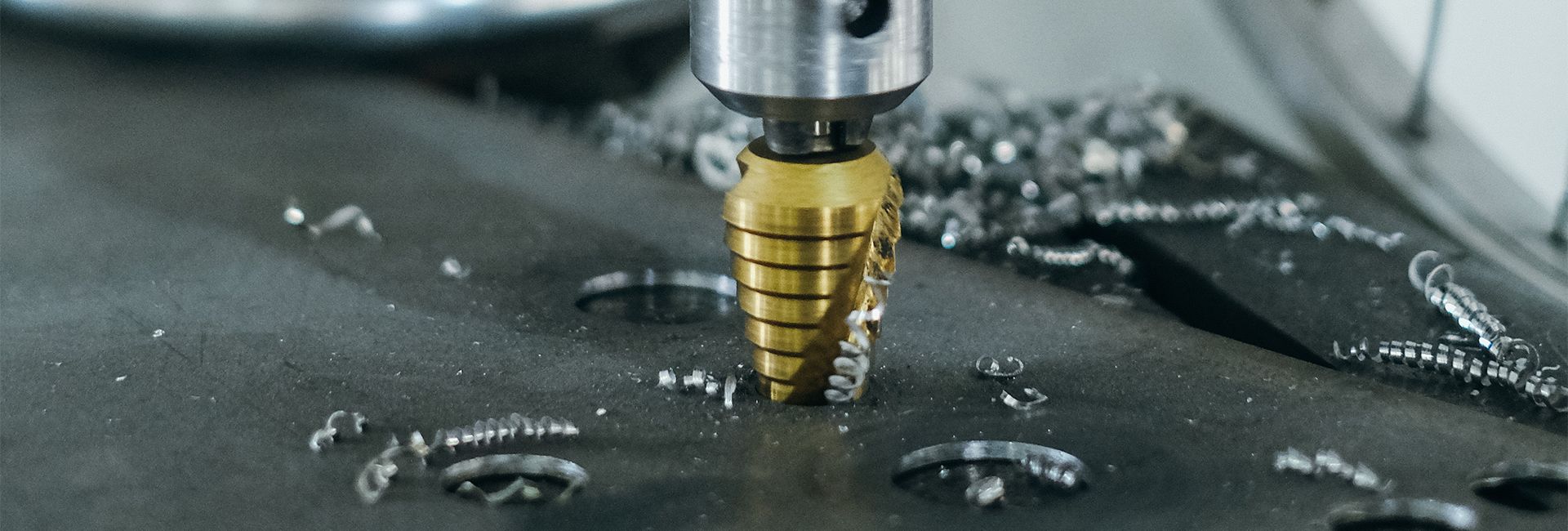
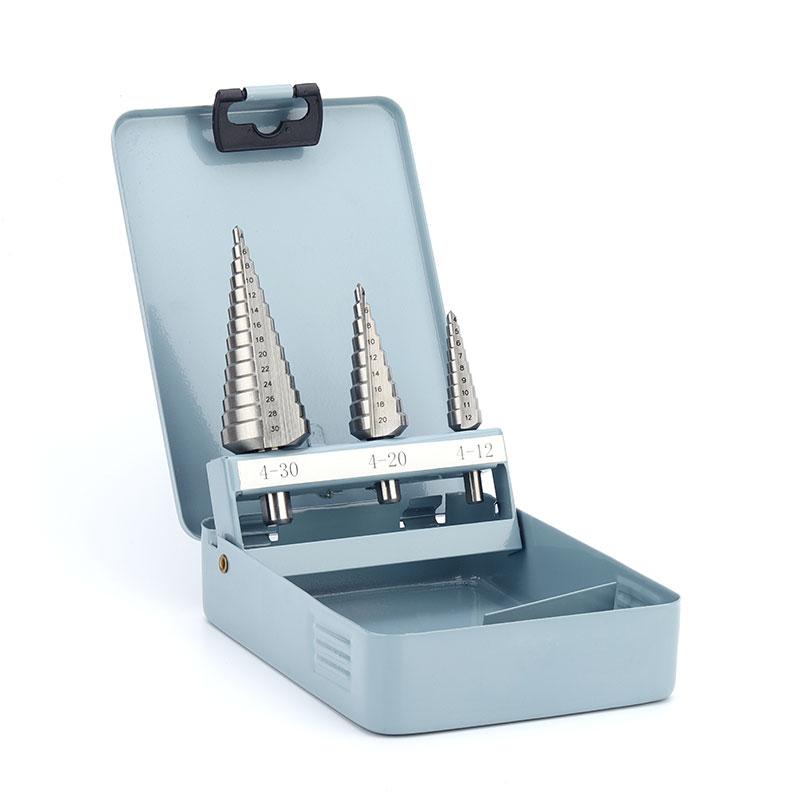
What Color is the Step Drill
Drill bits come in a variety of colors including silver, white, black, blue, purple, yellow, dark grey, and so on. However, these drill bits are usually coated in Titanium Nitride for extra durability and increased lifetime. Statistics show that titanium coating extends the life of a step drill bit by at least 3 to 4 times.
Usually, black-and silver-colored bits are used for drilling holes in metal.
Uses of Step Drill Bits
As mentioned earlier, step drill bits can be used in a range of applications compared to drill bits that are used for drilling holes only.
Below is a curated list of some of the popular ways you can make use of a step drill bit.
To wrap it up, this article has provided a detailed guideline on the most common applications of Step drill bits. If you have any questions pertaining to the topic at hand, feel free to ask. If you are interested in our Spogking step drill, please visit this page to get more information of step drill or step drill bits.